
High-quality additives that prevent fuel degradation, reduce microbial growth and keep stored fuel in usable condition — so it performs when you finally need it.
Wright Fuels supplies a range of fuel additives designed to improve the condition of your stored fuel. They help prevent degradation, reduce microbial growth and support optimal performance even after long-term storage.
Additives are not a substitute for testing — they are what keeps a clean tank clean between tests. Used alongside a monitoring programme they extend the usable life of your stock and reduce the likelihood of ever needing a polish.
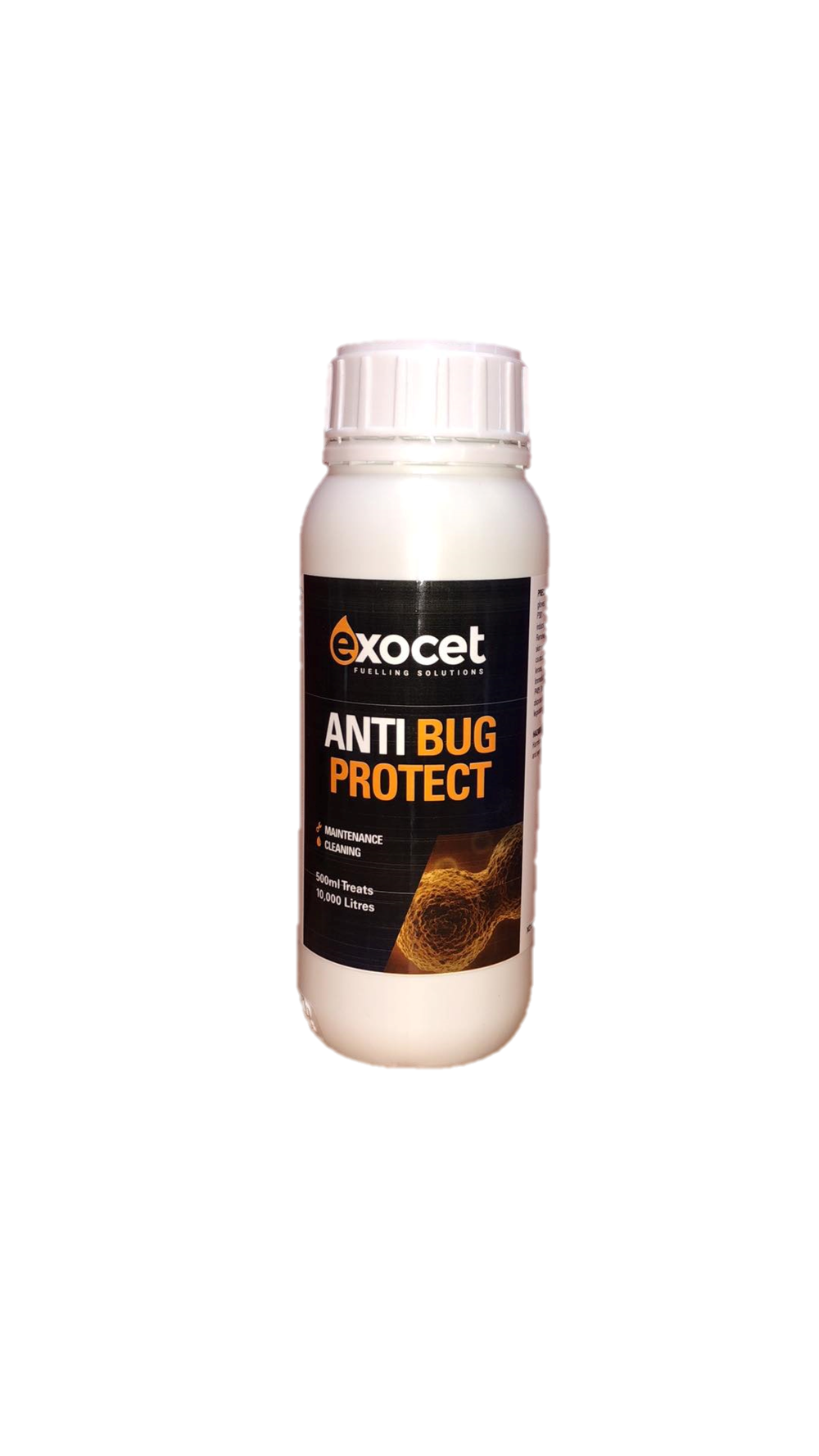
A highly effective solution for preventing microbial growth in stored diesel and biodiesel. It works by eliminating the bacteria, fungi and algae that develop in fuel tanks — the organisms behind clogging, fuel degradation and engine performance problems.
Adding Exocet Anti-Bug significantly reduces the risk of contamination and improves fuel quality. Its formulation enhances fuel stability, supporting smoother engine operation and lower maintenance costs.
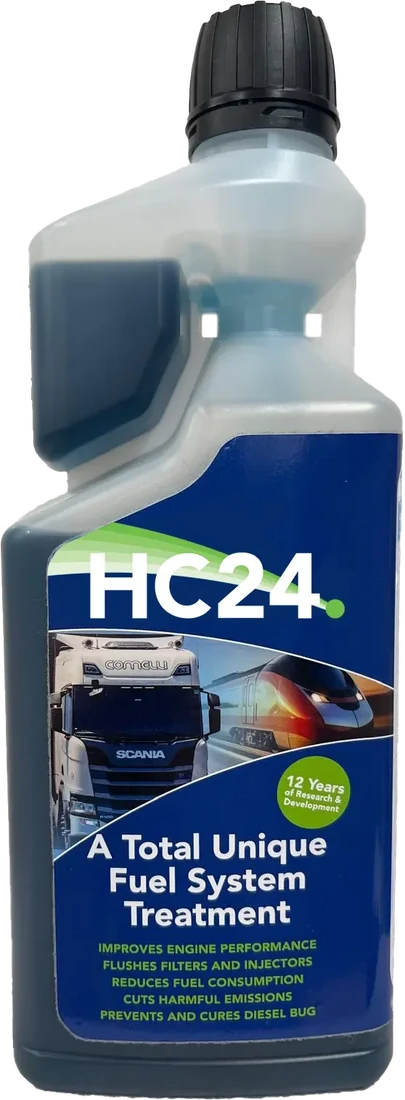
A biocide-free surfactant that tackles the water itself. HC24 works by breaking down the surface tension between the two liquids so they bond at a molecular level, dissolving free water into the fuel.
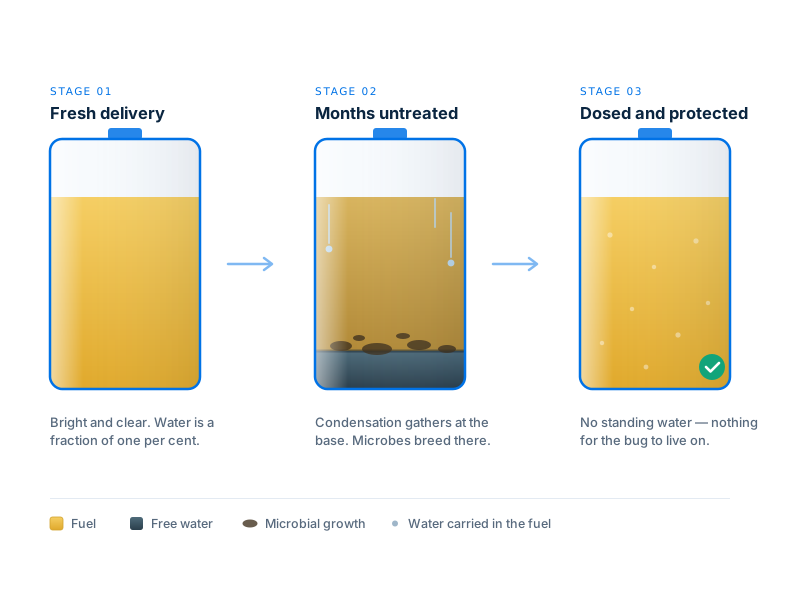
Diesel bug breeds at the interface between water and fuel — remove the water and you remove the breeding ground.
We check a sample first, then advise on the strength of the initial corrective dose and the ongoing maintenance rate that suits your tank, how it is used and the conditions it sits in. Full product guidance is in the information sheet below.
Suitable for: diesel, HVO, GTL and red diesel.
Not sure where to start? A fuel quality analysis measures the water content, and that is what sets the dose.
They are not alternatives to one another, and which one you need depends on what your analysis found.
A biocide. Use it where testing has confirmed microbial contamination and the organisms need to be dealt with directly. It treats the infestation, not the conditions that allowed it.
A biocide-free surfactant. Use it where water is the underlying problem. By dissolving the water bottom into the fuel it removes the habitat, making the tank a far less hospitable place for bug to re-establish.
Not sure which applies? That is exactly what a fuel quality analysis answers — water content and microbial contamination are two separate tests, and the results point to different treatments.
Generator fuel that may sit untouched for a year is the classic candidate — long residence time, condensation cycles, and no turnover to dilute a developing problem.
Treatment removes what is already there. Dosing afterwards helps hold the tank in that condition rather than letting it slide straight back.
If a tank has had diesel bug once it is far more likely to have it again. Preventative dosing is considerably cheaper than a second remediation.
Additives are cheap; the wrong additive is not. Tell us what you're storing and we'll point you at the right one — or tell you that you don't need one.
enquiries@wrightfuels.co.uk · Poole, Dorset · Nationwide service